
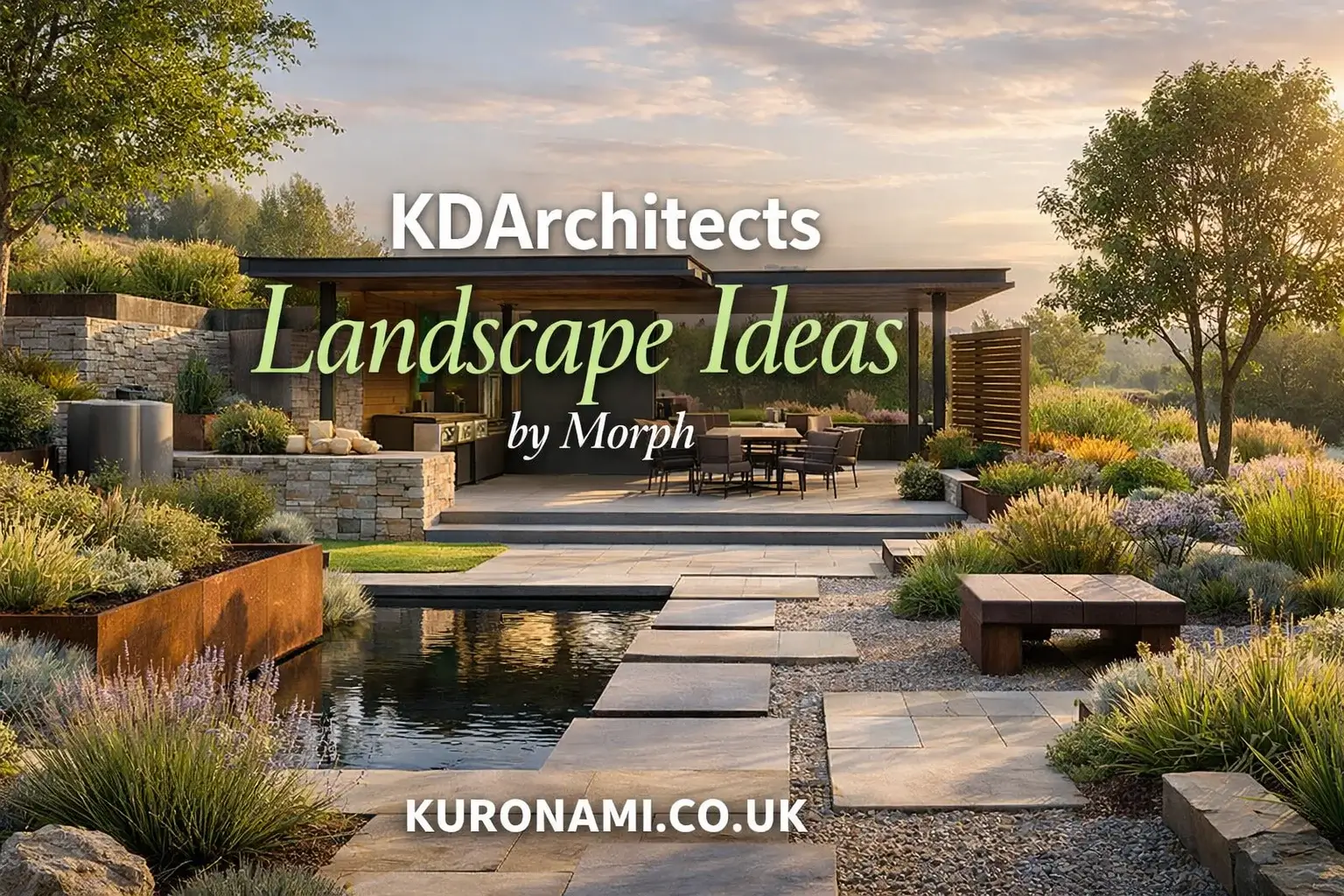
Landscape design is no longer just about making outdoor spaces look attractive. It is now tied closely to sustainability, climate awareness, water conservation, and creating outdoor environments that serve real daily needs. Homeowners and commercial developers are shifting their focus from decorative lawns and high maintenance gardens to functional, environmentally responsible outdoor designs that can last for decades.
That is where KDArchitects landscape ideas by Morph stand out. These concepts represent a modern approach to outdoor planning that blends clean architecture, natural harmony, and eco-conscious decision-making. Instead of forcing the landscape into an artificial design, the goal is to work with the land and improve it through sustainable choices.
Introduction to KD Architects Landscape Concepts by Morph Design
KDArchitects landscape ideas by Morph focus on blending modern outdoor architecture with eco-friendly design methods. This approach creates landscapes that feel clean, functional, and naturally connected to their surroundings.
Modern landscaping is evolving quickly. People want outdoor spaces that feel like an extension of their home. They also want designs that require less water, fewer chemicals, and less long term maintenance.
The philosophy behind this style focuses on balance. It brings together structured architectural elements and natural materials without overwhelming the environment. It also places heavy emphasis on sustainability, ensuring the design is not only beautiful today but also responsible for years to come.
Sustainability is central to modern landscape architecture because outdoor spaces play a major role in environmental health. A poorly designed landscape can waste thousands of gallons of water each year, damage soil quality, and increase runoff that pollutes local waterways. A well planned sustainable landscape can do the opposite. It can reduce waste, support biodiversity, and create outdoor areas that feel calm, functional, and timeless.
What Makes KD Architects Landscape Ideas Unique?
KDArchitects landscape ideas by Morph stand out because they combine minimalist structure with practical outdoor usability. Every design element is placed with purpose, ensuring the space looks modern while remaining easy to maintain.
Many landscaping projects focus heavily on aesthetics. They prioritize flashy features, exotic plants, and decorative stonework without considering long term impact. The result is often expensive upkeep, heavy irrigation demands, and designs that do not age well.
KDArchitects landscape ideas by Morph take a different path. They emphasize design that feels intentional, practical, and deeply connected to its surroundings.
One key element is the signature approach to outdoor flow. Instead of dividing a yard into separate unrelated features, this style creates smooth transitions between patios, gardens, walkways, and natural areas. The outdoor space becomes a unified environment rather than a collection of random design pieces.
Minimalism also plays a big role. This does not mean the landscape looks empty. It means every element has a purpose. Every plant, pathway, and structural feature is placed with intention. The result is a clean and modern outdoor space that feels organized, relaxing, and easy to maintain.
Long term usability is another defining factor. Outdoor designs should work for everyday life. Whether it is hosting guests, enjoying a quiet morning, or creating a space where children can play safely, functionality matters as much as beauty.
Why Sustainable Landscape Design Matters Today?
KDArchitects landscape ideas from Morph reduces water waste, limits chemical use, and supports healthier outdoor ecosystems. It also helps homeowners and businesses lower long term maintenance costs while improving environmental impact.
Traditional landscaping often depends on excessive water use, chemical fertilizers, and high maintenance grass lawns. While these choices may look neat at first, they come with serious environmental consequences.
One of the biggest issues is water waste. In many regions, lawns consume more water than necessary, especially during hot seasons. Overwatering also leads to runoff that carries fertilizers into storm drains and natural water systems.
Another major concern is soil damage. When landscapes rely on constant chemical use, soil health declines. That leads to weaker plants and an even greater dependence on fertilizers and pesticides.
Sustainable landscape design addresses these problems directly. It reduces the need for irrigation through smarter plant choices. It improves soil quality by using organic solutions. It also supports wildlife by encouraging biodiversity.
For homeowners, the benefits include lower monthly water bills and less yard maintenance. For businesses, sustainable landscaping can improve curb appeal while reducing landscaping expenses. Cities also benefit because sustainable designs reduce flooding risks and improve environmental quality. This is why KDArchitects landscape ideas by Morph align so strongly with the needs of today’s world. They represent a landscaping approach that is both modern and responsible.
Core Principles Behind KD Architects Landscape Planning
The planning style behind KDArchitects landscape ideas by Morph prioritizes balance between beauty and function. It focuses on creating outdoor spaces that flow naturally while working with the land instead of against it.
Function Meets Aesthetic
The best outdoor spaces look good, but they also work well. A patio that cannot comfortably fit furniture is not useful. A garden that blocks natural walkways becomes frustrating. A landscape that lacks proper lighting becomes unsafe.
Functional planning is at the heart of KDArchitects landscape ideas by Morph. The layout is designed around real human behavior. That includes outdoor dining, relaxing, walking, entertaining, and connecting with nature.
Zoning is a common strategy. The outdoor space is divided into practical areas such as seating zones, garden sections, pathways, and open lawn alternatives. These zones flow naturally into one another instead of feeling disconnected.
Harmony With Natural Surroundings
Sustainable landscape design starts with understanding the land. Instead of flattening the yard or forcing a design that fights nature, this approach works with what already exists.
That includes preserving natural contours, slopes, and drainage patterns. It also includes using the existing shade and sunlight conditions to determine the best planting layout.
When landscaping respects the natural environment, the result is stronger plant growth and fewer maintenance problems. It also reduces erosion and runoff issues.
Low Maintenance Landscape Design
KDArchitects landscape ideas by Morph should not require constant upkeep. If the design demands endless trimming, watering, and chemical treatment, it is not truly sustainable.
Low maintenance planning involves choosing plants that thrive naturally in the region. It also involves reducing lawn dependency. Lawns require heavy watering, mowing, and fertilizing. Replacing large lawn areas with drought tolerant planting beds, stone pathways, and functional patio spaces is a practical step.
Smart planting strategies also reduce weed growth and improve soil moisture retention. These decisions allow the landscape to remain attractive with minimal effort.
Sustainable Landscape Features Inspired by Morph Design
KDArchitects landscape ideas by Morph include sustainable features like native planting, water-saving irrigation, and eco-friendly paving materials. These elements improve long term efficiency while keeping outdoor spaces visually appealing.
Native and Drought-Tolerant Planting
One of the most effective sustainability strategies is choosing native plants. Native species are adapted to local weather conditions. They require less watering and less maintenance because they naturally thrive in the environment.
Drought tolerant planting also reduces water waste. These plants can survive long dry seasons without constant irrigation.
This planting method also supports pollinators such as bees and butterflies. By including flowering native plants, outdoor spaces become more biodiverse and environmentally helpful.
Water-Saving Irrigation Systems
Even drought tolerant plants need water during early growth stages. However, modern irrigation systems can significantly reduce waste.
Drip irrigation is one of the best options. It delivers water directly to the roots instead of spraying the entire area. This prevents evaporation and keeps water use efficient.
Smart irrigation controllers also make a major difference. These systems adjust watering schedules based on weather and soil moisture levels. Rain sensors can automatically stop watering during wet conditions.
Rainwater Harvesting and Drainage Design
Rainwater harvesting is an excellent way to improve sustainability. Collecting rainwater through barrels or underground systems allows homeowners to reuse natural rainfall for garden irrigation.
Drainage planning is equally important. Poor drainage leads to flooding, soil erosion, and plant damage. Sustainable drainage solutions include rain gardens and bioswales. These features capture stormwater runoff and allow it to soak naturally into the ground.
Permeable Paving and Eco-Friendly Hardscapes
Traditional paving materials often create runoff problems because they prevent water from soaking into the ground. This increases flooding risk and carries pollutants into water systems.
Permeable paving solves this issue. Materials such as permeable concrete, gravel systems, and stone pavers allow water to pass through.
Eco-friendly hardscapes also reduce heat buildup. Dark asphalt and concrete absorb heat and raise local temperatures. Sustainable materials can help reduce this heat island effect.
Sustainable Lighting for Outdoor Spaces
Outdoor lighting should be functional but also energy efficient. Solar lighting is a popular choice for pathways and garden highlights. LED systems are also highly effective because they use less energy and last longer.
Lighting placement matters as well. Instead of flooding the entire yard with bright lights, this design approach uses strategic placement. Subtle lighting along walkways and seating areas improves safety while maintaining a calm atmosphere.
Functional Outdoor Space Ideas
Functional outdoor areas are designed to support daily living through patios, seating zones, and structured garden layouts. KDArchitects landscape ideas by Morph ensure these spaces remain comfortable, practical, and environmentally responsible.
Outdoor Living and Lounge Areas
Outdoor living spaces are no longer optional luxury features. Many homeowners now see patios and lounge areas as extensions of their interior living room.
KDArchitects landscape ideas by Morph approach emphasizes comfort and structure. Patio zones are often designed with natural stone, wood decking, or permeable pavers. Built-in seating is also common, creating a clean and modern look while reducing the need for extra furniture.
Sustainable Garden Courtyards
Courtyard design creates a private and peaceful outdoor escape. Courtyards can be built using stone pathways, native planting beds, and seating areas surrounded by greenery.
Privacy can be enhanced using green buffer zones such as hedges, vertical gardens, or bamboo alternatives that are non-invasive.
Multi-Level Landscapes and Terracing
Sloped landscapes can be difficult to manage. However, terracing can turn hillsides into functional outdoor spaces. Terraced planting beds also reduce erosion and improve water absorption.
Retaining walls can be built using sustainable materials such as reclaimed stone or eco-friendly concrete blends. Terracing also creates opportunities for layered planting, which improves biodiversity.
Outdoor Kitchens and Dining Areas With Green Planning
Outdoor kitchens add major value to residential properties. However, they should be designed in a way that supports sustainability.
Natural shade solutions reduce heat and make outdoor cooking more comfortable. Eco-friendly building materials also matter.
Best Eco-Friendly Materials Used in Modern Landscaping
Eco-friendly materials such as reclaimed wood, recycled stone, and permeable paving help reduce environmental impact while improving durability. KDArchitects landscape ideas by Morph often rely on these materials to create sustainable and modern outdoor designs.
Recycled stone is one of the best options. It offers durability while reducing the demand for new quarrying. Reclaimed wood is another popular material for decks, seating structures, and decorative elements.
Composite decking can also be eco-friendly depending on the brand. Many composite boards are made using recycled plastic and wood fibers. They last longer than traditional wood and require less maintenance.
Locally sourced materials matter because transportation has a major carbon footprint. When materials are sourced locally, the project becomes more sustainable and often supports local businesses.
How KD Architects Landscape Designs Support Biodiversity?
Landscapes designed with biodiversity in mind encourage pollinators, birds, and healthier soil conditions. KDArchitects landscape ideas by Morph support this by using native plants and layered planting systems that create natural habitats.
A biodiversity-friendly landscape uses layered planting. That means combining ground cover plants, shrubs, flowering plants, and trees.
Creating habitats for birds and pollinators is also important. Bird-friendly landscapes often include native berry plants and safe nesting spaces. Pollinator friendly gardens include flowering species that bloom in different seasons. Avoiding invasive plants is critical. Invasive species can spread quickly and damage local ecosystems.
Sustainable Landscaping Practices That Reduce Waste
Waste reduction in landscaping comes from composting, mulching, and limiting chemical treatments. KDArchitects landscape ideas by Morph promote these practices to keep outdoor spaces healthier and easier to maintain.
Composting and Organic Soil Improvement
Composting is one of the best ways to enrich soil naturally. It reduces household waste while improving soil nutrients.
Mulching for Moisture Retention
Mulching prevents evaporation and keeps soil cool during hot seasons. It also suppresses weed growth, reducing the need for chemical weed killers.
Low-Waste Maintenance Strategies
Low-waste maintenance strategies include using electric tools, composting plant trimmings, and planning seasonal pruning schedules.
Modern Landscape Design Trends Seen in KD Architects Inspired Work
KDArchitects landscape ideas by Morph trends are shifting toward minimalism, smart technology, and eco-conscious material choices. KDArchitects landscape ideas by Morph reflect these trends by combining structured design with sustainable planning methods.
Japandi landscape styling is another growing trend. It focuses on natural materials, calm layouts, and functional beauty.
Mixed texture hardscape layouts are also trending. This involves combining stone, gravel, wood, and greenery to create contrast while maintaining balance. Smart irrigation and smart outdoor lighting are becoming standard features in modern projects.
How to Apply These KD Architects Landscape Ideas to Your Property?
You can apply these ideas by focusing on native planting, functional zoning, and low maintenance outdoor layouts. KDArchitects landscape ideas by Morph work well for small backyards, large properties, and commercial outdoor spaces.
For Small Backyards
Small outdoor spaces can still feel spacious when designed correctly. Vertical gardens are an excellent solution.
For Large Residential Properties
Large properties require careful zoning. Pathways, focal points, and defined outdoor rooms help create structure.
For Commercial and Public Spaces
Commercial landscaping must balance durability, aesthetics, and maintenance costs. Sustainable curb appeal planning is essential for businesses.
Common Mistakes to Avoid in Sustainable Landscape Design
Mistakes like overwatering, poor drainage, and using non-native plants can make a landscape expensive and inefficient. KDArchitects landscape ideas by Morph avoid these issues by prioritizing smart planning and sustainable choices.
One common mistake is overwatering. Another major issue is planting species that do not fit the local climate.
Poor drainage planning can also destroy a landscape. Water pooling can damage plants, cause erosion, and create long term foundation problems.
Final Thoughts
Sustainable landscape design is becoming essential as climate concerns and water conservation grow more important. KDArchitects landscape ideas by Morph represent the future by offering outdoor spaces that are modern, efficient, and environmentally responsible.
Sustainability is no longer optional. It is becoming the foundation of modern architecture and landscape design. Sustainable landscapes reduce costs, require less maintenance, and create healthier outdoor environments for families and communities. KURONAMI is making progress in the digital space with consistent updates and rising public attention.
Frequently Asked Questions – FAQs
What is sustainable landscape architecture?
Sustainable landscape architecture is the design of outdoor spaces using environmentally responsible practices. It focuses on water conservation, native planting, eco-friendly materials, biodiversity support, and reducing long term maintenance needs.
How do native plants support eco-friendly landscaping?
Native plants require less water and fewer chemical treatments because they are adapted to the local environment. They also support local wildlife, including bees, butterflies, and birds.
Is sustainable landscaping more expensive?
Sustainable landscaping may have a higher upfront cost depending on the materials and features used. However, it often saves money over time because it reduces water bills and lowers maintenance needs.
What materials are best for eco-friendly hardscaping?
Eco-friendly hardscaping materials include reclaimed stone, recycled concrete, permeable pavers, locally sourced gravel, and reclaimed wood.
How can I reduce water usage in my landscape design?
You can reduce water usage by choosing native drought tolerant plants, installing drip irrigation systems, adding mulch to planting beds, and using rainwater harvesting methods.

