
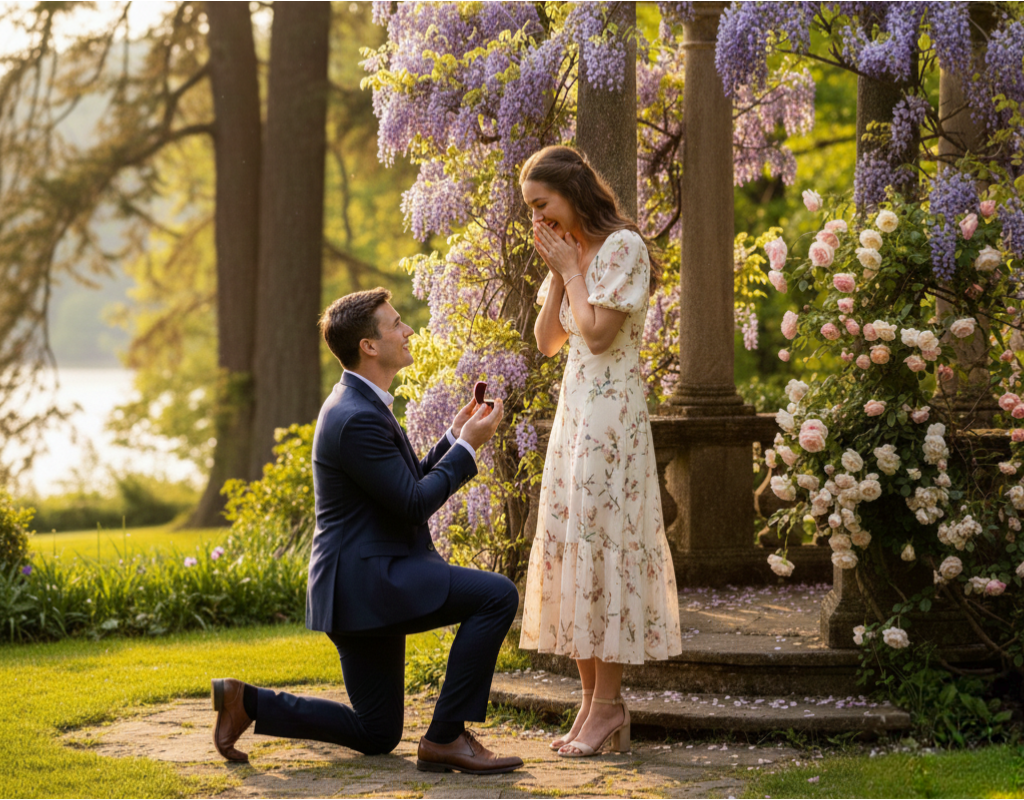
The concept of a lifelong commitment is one that has occupied the human heart for millennia. While the traditions surrounding marriage have evolved significantly over the centuries, the fundamental desire to mark a union with a tangible symbol remains as potent as ever. In the United Kingdom, where heritage and modern style frequently intertwine, the journey toward a proposal is often seen as a significant milestone, a moment where personal history meets future aspiration. It is a period of transition that requires a thoughtful balance of emotional depth and practical consideration.
Modern couples are increasingly moving away from rigid, traditional expectations in favour of bespoke experiences that reflect their unique dynamics. Whether it is a quiet moment on a windswept Cornish beach or a grand gesture in the heart of London, the emphasis has shifted toward authenticity. This evolution is reflected in the way we choose the symbols of our affection, with a growing appreciation for craftsmanship, ethical sourcing, and timeless design.
Defining the Moment: The Significance of Engagement Rings in Contemporary Society
The circular form of a ring has long represented a bond without end, a visual manifestation of a promise that transcends the everyday. When exploring the various styles of engagement rings, one is essentially looking for a piece of wearable art that will stand the test of time. In the current market, the diversity of choice is staggering, ranging from the classic simplicity of a diamond solitaire to more intricate, vintage-inspired settings that evoke a sense of historical romance. For those embarking on this journey, the selection process is less about following a trend and more about finding a piece that resonates with the personality of the wearer.
This choice is often the first major investment a couple makes together, serving as a precursor to the many shared decisions of married life. Consequently, there is a renewed focus on the quality of materials and the skill of the jeweller. British consumers have shown a particular fondness for precious metals like platinum and yellow gold, each offering a different aesthetic and level of durability. Understanding the interplay between the setting and the stone is crucial for ensuring that the final piece is both beautiful and resilient enough for daily wear.
The Anatomy of Brilliance: Understanding the Four Cs
To truly appreciate the value and beauty of a fine gemstone, one must understand the technical criteria that professional gemmologists use to evaluate them. Known as the Four Cs, these benchmarks provide a universal language for assessing quality and rarity.
1. Cut
The cut is arguably the most important factor, as it determines how the stone interacts with light. A well-proportioned cut allows light to enter the stone and reflect back through the top, creating the characteristic sparkle and fire. Common shapes include the round brilliant, the elegant emerald cut, and the romantic pear shape.
2. Colour
In white diamonds, the absence of colour is the goal. The scale ranges from D, which is completely colourless, through to Z, which indicates a light yellow or brown tint. Most high-quality pieces fall within the D to G range, appearing colourless to the naked eye.
3. Clarity
Clarity refers to the presence of internal inclusions or external blemishes. While many of these are invisible without magnification, they can affect the overall brilliance and structural integrity of the stone. Flawless stones are exceptionally rare and highly sought after.
4. Carat
The carat is a measure of the stone’s weight rather than its physical size. While a larger carat weight is often associated with higher value, it is the combination of all four factors that determines the true worth of the piece.
Evolving Aesthetics: Trends and Timelessness
While the round brilliant remains the most popular choice for many, we are witnessing a significant rise in alternative styles. Fancy-cut stones, such as the marquise or the oval, are gaining traction for their ability to elongate the appearance of the finger and offer a more distinctive silhouette. These shapes often allow for a larger surface area, providing a sense of grandeur even at a lower carat weight.
Furthermore, the “halo” setting, where a central stone is surrounded by a border of smaller diamonds, continues to be a favourite for those seeking maximum brilliance. This style not only adds to the visual impact of the ring but also protects the central stone from potential damage. Conversely, the minimalist movement has led to a resurgence of the “tension” or “bezel” settings, which offer a sleek, modern look that appeals to those with a more contemporary aesthetic.
Ethical Sourcing and the Conscious Consumer
In 2026, the provenance of a gemstone is as important as its physical attributes. Modern couples are deeply concerned with the environmental and social impact of their purchases. This has led to an increased demand for stones that are certified by organisations like the Kimberley Process, ensuring they are free from conflict.
The rise of lab-grown diamonds has also provided a sustainable alternative for many. These stones are chemically, physically, and optically identical to mined diamonds but are created in a controlled environment with a significantly smaller carbon footprint. This shift toward conscious luxury allows couples to invest in high-quality pieces that align with their personal values, ensuring that the symbol of their love is untainted by unethical practices.
Beyond the Diamond: Coloured Gemstones and Individuality
While diamonds remain the traditional choice, there is a growing trend toward incorporating coloured gemstones into bridal jewellery. Sapphires, emeralds, and rubies offer a vibrant alternative that allows for a greater degree of personalisation. Many of these stones carry their own symbolic meanings; for example, sapphires are often associated with loyalty and wisdom, making them a fitting choice for a lifelong partnership.
This move toward colour is often inspired by royal traditions or a desire to move away from the conventional. A deep blue sapphire set in white gold or platinum offers a striking contrast that is both elegant and timeless. When choosing a coloured stone, it is important to consider its hardness on the Mohs scale, as some gems are more prone to scratching and may not be suitable for everyday wear over many decades.
A Legacy of Love
Choosing a symbol of commitment is a deeply personal journey that combines emotion, tradition, and technical knowledge. By understanding the nuances of design, the importance of quality benchmarks, and the value of ethical sourcing, couples can select a piece that truly represents their story.
In the United Kingdom, the heritage of fine jewellery continues to flourish, offering a bridge between the past and the future. Whether you opt for a classic design or a contemporary masterpiece, the goal remains the same: to create a lasting legacy of a promise made. As the industry continues to innovate, the core principles of beauty and craftsmanship will remain the guiding lights for all who seek to mark their most precious moments.
