
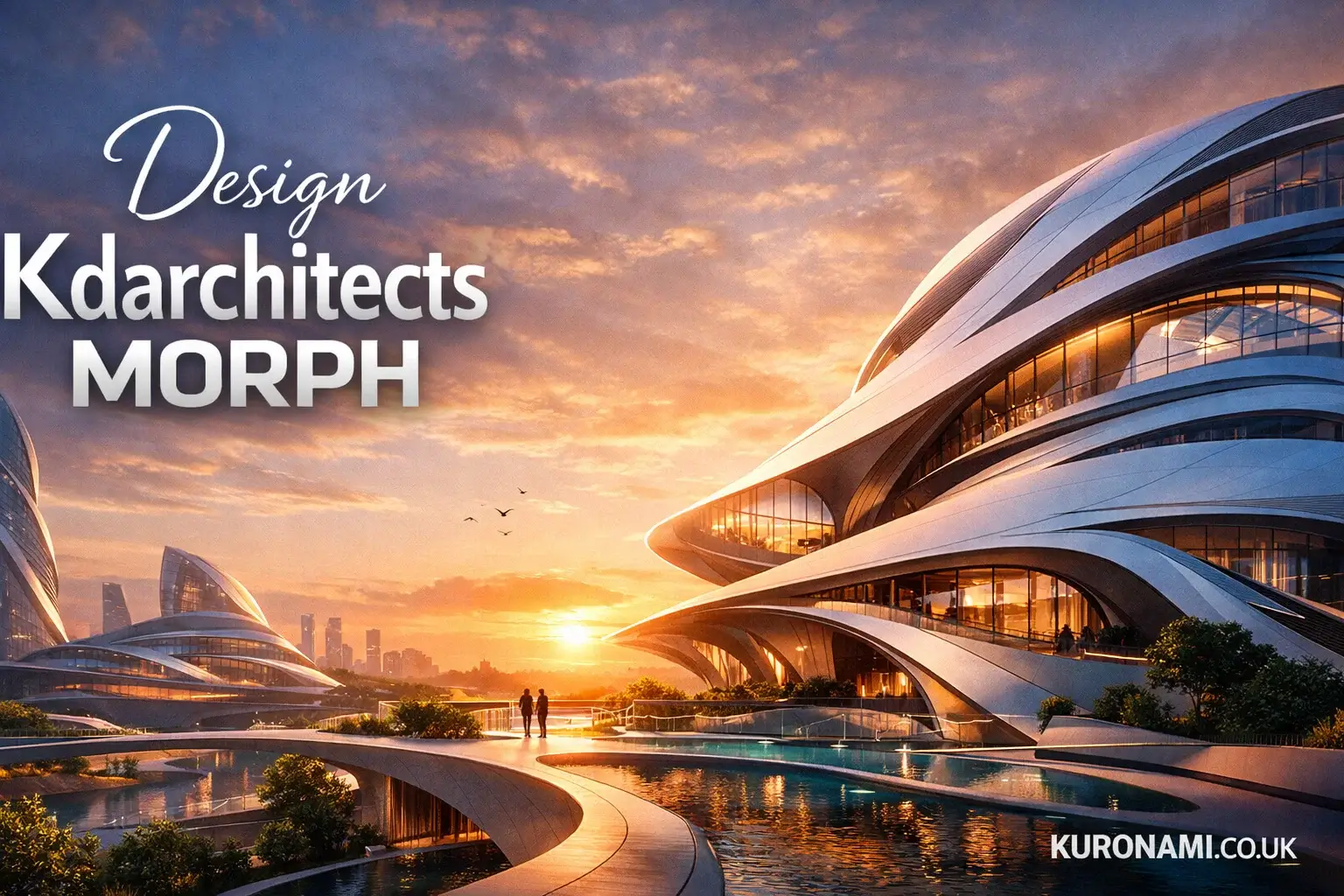
Architecture is changing faster than ever. Cities are expanding, sustainability standards are rising, and people are demanding buildings that feel smarter, more comfortable, and more visually impressive. Traditional design methods still work, but they often struggle to meet the needs of modern lifestyles. That is why newer architectural movements are gaining momentum, especially those focused on flexibility, innovation, and efficiency.
One of the emerging concepts attracting attention is design kdarchitects morph. This approach is often associated with futuristic building styles, organic forms, and architecture that adapts to both human needs and environmental demands. Instead of focusing only on static structures, morph-based architecture is built around movement, flow, and flexible design thinking.
What makes this topic important is that it reflects a shift in how architects and designers view space. Buildings are no longer seen as fixed shapes. They are viewed as evolving environments that can respond to technology, climate challenges, and the way people live and work. This article explores what morph architecture means, why it matters, and how this design concept is shaping the future of construction.
The rise of modern design expectations is also influencing how architects approach planning. People want buildings that feel unique but still functional. They want comfort, energy efficiency, and long-term value in one complete structure. Morph architecture offers a pathway for achieving those goals without relying on outdated layouts.
Introduction to Design Kdarchitects Morph
The idea behind design kdarchitects morph connects to a growing trend in modern architecture where structures are created with fluid forms rather than rigid lines. Many modern buildings still rely on box-like designs, but morph architecture takes a different direction. It aims to create structures that look and feel more natural, more dynamic, and more adaptable.
The reason design ideas kdarchitects morph is gaining attention is because people now expect architecture to do more than provide shelter. Homes must support hybrid work lifestyles. Commercial buildings must offer energy efficiency and modern aesthetics. Public spaces must handle population growth and environmental pressure. These demands require new ways of thinking about design.
Morph architecture also fits well with advancements in technology. Tools like 3D modeling, parametric design software, and structural simulations make it possible to create complex forms that would have been nearly impossible to plan decades ago. This has opened the door for creative design solutions that balance both beauty and functionality. As the architecture industry moves toward smarter and more sustainable solutions, morph design is becoming a key area of interest. It represents a future where architecture becomes more responsive, more efficient, and more connected to human experience.
What Is Design Kdarchitects Morph?
To understand design kdarchitects morph, it helps to break down what morph-based architecture really means. Morph architecture is a design approach where buildings are shaped with smooth transitions, organic geometry, and flexible forms. Instead of relying on straight lines and sharp edges, morph structures often look curved, flowing, and sculptural.
This style is inspired by nature, movement, and modern engineering. It can resemble the shapes of waves, shells, or natural landforms. But morph architecture is not only about appearance. It is also about function. Many morph designs aim to improve airflow, natural lighting, and spatial efficiency by using forms that support energy performance.
The design ideas kdarchitects morph fits into modern building design because it responds to current needs. Modern buildings must often serve multiple purposes. A home may need to be both a living space and a workspace. A commercial building may need to support customer experience and energy efficiency. A public building must often blend durability with visual identity. Morph architecture supports these demands by offering flexibility in layout and structural planning.
Another reason morph design is growing is because of global urban development. Cities need buildings that maximize space, reduce waste, and improve sustainability. Traditional designs sometimes waste usable space due to rigid structural planning. Morph designs can improve layout efficiency by creating better flow and smarter space usage.
Key Principles Behind Design Kdarchitects Morph
Morph architecture is not random. It follows clear principles that guide how buildings are shaped and structured. The foundation of design kdarchitects morph is built around flexibility, organic structure, and efficiency. These principles help architects create designs that are visually modern but also practical for real-world use.
A key principle is adaptability. Modern buildings are expected to serve changing needs over time. A home may need to support remote work. A commercial building may need to expand its capacity. Morph design allows architects to create spaces that can evolve without requiring major reconstruction.
Another principle is natural flow. Morph architecture avoids harsh divisions between spaces. It encourages smooth movement through layouts. This improves how people experience the building and makes the space feel more open and comfortable.
Efficiency is also central. Morph design is not just artistic. It often improves energy use through better ventilation, improved lighting, and smarter orientation. These principles make morph architecture more aligned with modern sustainability expectations.
Flexible Planning and Adaptive Spaces
One of the strongest principles behind morph architecture is flexibility. Modern life changes quickly. People relocate, businesses expand, and technology transforms how spaces are used. A building designed with flexibility can adapt without requiring major reconstruction.
Flexible planning means designing rooms and layouts that can serve multiple purposes. A residential space might include movable partitions, open-plan layouts, and modular room functions. A commercial building might include adaptable workspaces that can shift between private offices and collaborative zones.
Adaptive spaces also improve long-term value. A building that can evolve with changing needs remains useful longer. This reduces renovation costs and increases sustainability because fewer resources are wasted on rebuilding.
In morph architecture, flexibility is supported by smooth transitions and open layouts. Instead of isolating spaces with heavy walls, the design creates natural flow between areas. This makes buildings feel larger, brighter, and more functional.
Organic Geometry and Structural Flow
Morph architecture is often recognized by its organic geometry. This refers to shapes that resemble natural forms rather than mechanical patterns. Curves, waves, and flowing lines are common in morph designs. These shapes are not just aesthetic choices. They often improve how the building performs.
Organic geometry can improve airflow by guiding natural ventilation. It can also improve lighting by allowing more sunlight to enter through curved openings and angled surfaces. In some cases, curved structures distribute weight more efficiently than flat designs, which can improve structural stability.
Structural flow is another key part of this principle. Morph architecture aims to make buildings feel connected. Instead of separate rooms and disconnected hallways, morph designs create continuity. The building feels like one unified space rather than a collection of separate boxes. This flow improves comfort. It also improves usability because people can move naturally through the building without feeling restricted.
Modern Materials and Functional Efficiency
Morph architecture relies heavily on modern materials. Traditional building materials are still used, but morph structures often require materials that support curved shapes and flexible engineering. These materials include reinforced concrete, advanced steel systems, glass panels, and modern composite materials.
Functional efficiency is also a major goal. A morph building should not only look unique. It should also work better than a traditional design. Efficiency can mean reduced energy use, improved insulation, better sound control, and smarter space planning.
Material efficiency matters as well. Many morph designs aim to reduce waste by using materials more strategically. Instead of building heavy rectangular frames, architects may use lighter structures that provide strength with less material. Modern materials also allow architects to create designs that are both durable and visually clean. This supports the futuristic look often associated with morph architecture.
Features That Define Design Kdarchitects Morph
There are certain features that make morph architecture recognizable. The style has a strong visual identity, but its real strength comes from how it shapes the experience of a building. Design kdarchitects morph is often defined by several key characteristics that separate it from standard architecture.
One of the most noticeable features is smooth curves and fluid shapes. Traditional buildings rely heavily on straight lines because they are easier to build. Morph architecture uses curved geometry to create buildings that feel more dynamic. These shapes often look more artistic and futuristic, making them popular for high-end architecture projects.
Another defining feature is open layouts and seamless transitions. Morph design often avoids narrow hallways and cramped room divisions. Instead, it uses open spaces that blend into each other. This makes buildings feel more spacious and comfortable. It also supports modern living preferences where people want flexible layouts.
A strong focus on light, space, and movement is also essential. Morph architecture often includes large windows, skylights, and open areas that maximize natural light. Lighting is treated as part of the design rather than an afterthought. The goal is to create spaces that feel bright and welcoming.
Finally, morph architecture balances creativity with engineering. These designs are not just artistic sculptures. They must still meet safety standards, structural requirements, and building regulations. The best morph designs succeed because they combine bold creativity with practical engineering solutions.
Practical Uses
Morph architecture is not limited to luxury buildings. It can be applied to homes, commercial projects, and large public developments. The flexibility of design kdarchitects morph makes it useful in many environments because it supports both modern aesthetics and practical layout planning.
One common use is residential design. Homeowners often want open interiors, improved lighting, and smooth transitions between rooms. Morph architecture helps achieve this by creating better space flow and reducing rigid layout divisions.
Commercial design is another strong area. Businesses want buildings that stand out visually while still supporting efficiency. Morph design offers modern branding value while also improving interior comfort and energy planning.
Public projects also benefit from morph concepts. Museums, cultural centers, and civic buildings often use bold shapes to represent progress. Morph structures can create landmark-style buildings while still staying functional for daily use.
Residential Design Concepts
Residential architecture is one of the most popular uses of morph design. Many homeowners prefer houses that feel modern and open rather than boxed-in. Morph layouts support this by using fluid design and better space connection.
In many projects, morph design is used for open living rooms, curved staircases, and modern exterior shapes. These features improve both appearance and usability while giving the home a stronger design identity.
Morph homes also support multi-purpose living. Rooms can shift between guest space, home office, or entertainment use. This flexibility increases comfort and long-term value. Overall, morph residential planning improves lighting, airflow, and movement, making the home feel more natural and enjoyable to live in.
Commercial Building Design
Commercial buildings benefit from morph design because businesses want modern spaces that feel unique. A strong architectural identity can improve customer perception and make the building more memorable.
Morph architecture is often used in office spaces, hotels, shopping centers, and entertainment buildings. Curved forms and open interiors create high-end environments and improve how people move through the space.
It also supports sustainability goals. Many commercial morph projects focus on natural ventilation, improved lighting, and energy-efficient materials, which reduces long-term operating costs. Another advantage is employee comfort. Workspaces designed with better light and open flow often feel more productive and less stressful.
Urban and Public Architecture
Public architecture often needs both durability and strong identity. Museums, libraries, airports, and government buildings use modern designs to represent cultural progress, and morph architecture fits this purpose well.
Urban planning projects also benefit because cities need better space efficiency. Morph design can support multi-use structures that combine public areas, transport zones, and commercial spaces.
Many morph public buildings focus on flow and accessibility. They are designed to guide people smoothly through large spaces without feeling crowded or confusing. Morph design also supports future city development by creating buildings that feel modern while addressing sustainability and long-term growth needs.
Case Studies and Project Examples
Real-world examples show how morph architecture improves usability and design performance. Many modern villas use curved facades and open interiors to maximize light and create better indoor and outdoor connection.
Commercial examples include office buildings with flowing shapes that improve employee comfort. These projects often include open collaboration spaces, natural lighting, and visually modern layouts that support business branding.
Public examples are often the most iconic. Museums and cultural centers frequently use sculptural morph forms to become landmarks and attract visitors, while still providing functional interior layouts. These examples prove that morph architecture is not just about style. It is a practical design solution that improves efficiency, comfort, and long-term building value.
Benefits of Design Kdarchitects
The growing popularity of design kdarchitects morph is largely driven by its advantages. Morph architecture offers practical benefits that go beyond appearance. It provides solutions for modern living, sustainability, and long-term building performance.
One major benefit is better space efficiency. Morph design often reduces wasted areas by improving layout flow. Curved structures and open planning can make spaces feel larger without increasing square footage. This is especially valuable in urban areas where space is limited.
Another benefit is a strong visual identity. Buildings designed with morph architecture stand out. They create a modern impression that attracts attention. This is important for businesses and public institutions that want iconic structures. It is also appealing for homeowners who want unique property design.
Sustainable design opportunities are also a major advantage. Morph buildings can be designed to optimize natural airflow and lighting. This reduces reliance on artificial heating, cooling, and lighting systems. Over time, this lowers energy costs and supports environmental goals.
Finally, morph architecture supports flexible long-term building use. A building designed with adaptability can serve different purposes as needs change. This makes morph design valuable in modern cities and future planning projects.
Challenges and Considerations
While morph architecture offers many advantages, it also comes with challenges. The most important part of understanding design kdarchitects morph is recognizing that it requires advanced planning and skilled execution.
One major challenge is higher construction costs. Curved structures and complex geometry often require specialized materials and labor, making them more expensive than traditional rectangular buildings.
Engineering complexity is another concern. Smooth curved designs still require detailed structural calculations, and architects must work closely with engineers to ensure long-term stability.
Construction limitations can also slow projects down. Many contractors have limited experience with morph structures, which can lead to delays. However, with the right team, morph architecture can still deliver strong long-term value.
Technology Supporting Morph Architecture
Morph architecture depends heavily on technology. Without modern tools, complex forms would be difficult to design and build. This is why design architects morph is closely tied to digital planning systems. 3D modeling and visualization help architects create accurate building designs and allow clients to understand the final structure before construction begins.
Parametric design software also plays a major role by allowing architects to adjust curves and forms through controlled design parameters rather than manual drafting. BIM tools and structural simulation technology further support accuracy, safety, and collaboration, making complex morph projects more realistic to build.
Sustainability Benefits of Morph Architecture
Sustainability is a major reason morph architecture continues to grow. Many countries are pushing for greener building standards, and design kdarchitects morph supports these goals through smarter environmental planning. One key benefit is improved natural lighting. Curved layouts and open forms make it easier to place windows and skylights in ways that maximize sunlight.
Morph design also supports better airflow. Buildings can be shaped to guide natural ventilation, reducing the need for heavy air conditioning systems. Another advantage is reduced material waste. Modern planning tools help architects calculate materials more precisely, which lowers excess waste during construction.
Future Trends
The future of morph architecture is strongly connected to sustainability and advanced technology. As building demands evolve, design kdarchitects morph is expected to expand into more mainstream architecture projects. Smart architecture integration is one major trend. Future buildings will rely more on automation, sensors, and energy monitoring systems.
Modular morph construction is also gaining interest. Prefabricated components may reduce construction time while still supporting curved and modern designs. Eco-material development will continue shaping morph architecture. Carbon-neutral concrete and recycled composites may make morph buildings more affordable and sustainable.
Why Design Kdarchitects Morph Matters in Modern Architecture?
The importance of design kdarchitects morph goes beyond trends. It reflects a major shift in how buildings are designed, moving from rigid structures to adaptable environments. This matters because modern architecture must respond to urban growth, climate challenges, and changing lifestyles. Morph design supports innovation by improving space flow and flexibility.
It also creates cultural impact. Morph buildings often become landmarks that represent progress, creativity, and modern identity. Most importantly, morph architecture supports long-term value. Flexible buildings can adapt to future needs, reducing waste and supporting sustainable development.
Frequently Asked Questions-FAQs
What is design kdarchitects morph?
Design kdarchitects morph is a modern architectural approach focused on fluid forms, organic geometry, and adaptable spaces that support future-ready building needs.
How is design kdarchitects different from traditional architecture?
Traditional architecture often relies on rigid shapes and fixed layouts, while design kdarchitects emphasizes smooth curves, flexible planning, and natural flow between spaces.
Is design kdarchitects morph expensive to build?
It can be more expensive due to complex engineering, specialized materials, and custom construction methods. However, the long-term value can offset the initial cost.
What tools are used in this design morph?
Common tools include 3D modeling software, parametric design systems, BIM planning tools, and structural simulation technology to ensure accuracy and safety.
Can design kdarchitects morph work for small homes?
Yes, morph architecture can be applied to smaller homes by improving space efficiency, lighting, and flexible layouts without requiring large land areas.
Final Thoughts
Architecture is no longer limited to basic structures. It is now about designing environments that support human needs, sustainability, and long-term adaptability. As technology and lifestyle demands evolve, new architectural approaches are becoming essential. Design kdarchitects morph reflects this future direction. It blends organic forms, advanced planning, and innovative materials into a design method that feels modern and purposeful. While it comes with challenges such as cost and complexity, it offers major benefits in efficiency, sustainability, and visual identity.
Morph architecture is not just a trend. It is a response to modern problems. It supports eco-friendly construction, flexible space planning, and buildings that can evolve with time. As design technology improves, morph concepts will likely become more accessible and more widely used. For architects, developers, and clients interested in future-ready building design, this approach represents an exciting direction. It encourages creativity, supports sustainability, and reflects the growing demand for architecture that feels dynamic and modern. Read the latest trending topics, lifestyle guides, and helpful resources on KURONAMI.

